
Activity
Unpacking the Tools of Diplomacy
At its core, diplomacy is about communication, compromise, and finding solutions everyone can agree on. And on a global scale, it’s what keeps countries talking…
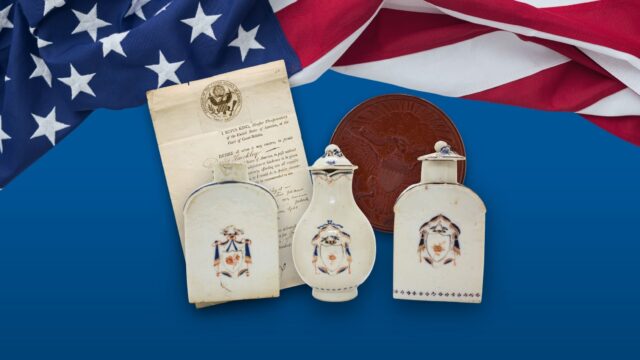
Start class with energy, curiosity, and purpose with NMAD’s collection of bell ringers! Each quick prompt is designed to spark reflection, invite historical inquiry, and open the door to lively discussion!
These bell ringers offer a wide range of question types, from critical thinking to object analysis, designed to engage students in various ways. The extensive range of themes includes the Declaration of Independence, the Great Seal, treaties, alliances, commerce, and reflections on America at 250, alongside the continuous importance of civic responsibility.
Whether the aim is to foster analytical skills, promote active citizenship, encourage thoughtful perspectives on diplomacy, or simply spark discussion, these bell ringers provide an accessible way to forge meaningful connections between the past and present.
Activity
At its core, diplomacy is about communication, compromise, and finding solutions everyone can agree on. And on a global scale, it’s what keeps countries talking…
Simulation
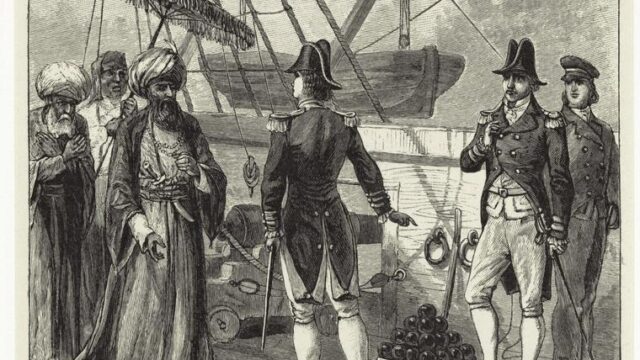
In 1793, Algerine corsairs captured 11 more American ships and 100 citizens, prompting a commercial and humanitarian crisis that could not be ignored.
Lesson Plan
This lesson engages students in a critical analysis of U.S.-Vietnam relations, exploring changes over time as well as diplomacy’s key role in post-conflict reconciliation.