Lesson Plan
Creating Commerce: U.S. Foreign Trade in 1783
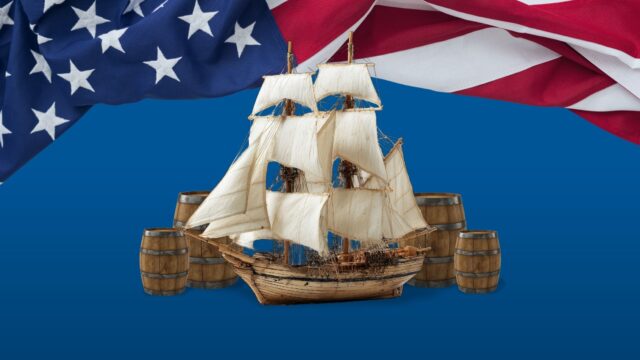
In this lesson, students will design a proposal aimed at convincing foreign investors to trade with the newly independent U.S.
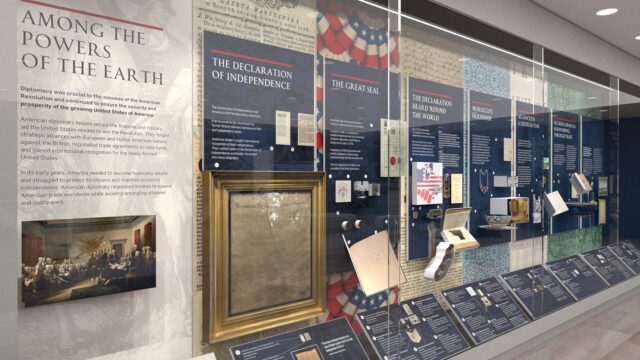
In celebration of Freedom 250, the revolutionary stories of the diplomats that helped secure the independence of America is highlighted in NMAD’s exhibit Among the Powers of Earth. The exhibit is now open to the public, and will be on view until Spring 2027.

The Declaration of Independence transformed colonial resistance into a domestic call to revolution. But did you ever consider that the Founders were also making the new nation’s first diplomatic statement? The first sentences of the Declaration explained that the Founders felt required “out of a…decent respect to the opinions of mankind” to speak to the world. It explained to the world why the former 13 North American British colonies sought to become a free and independent nation and “assume among the powers of the earth the separate and equal station.”
Recognizing that the survival of the fledgling country depended on diplomacy, American leaders moved swiftly to obtain international recognition of their independence. In October 1776, Benjamin Franklin sailed to France on a diplomatic mission that would prove critical to the success of the Revolution, while American leaders also pursued strategic alliances with Native American nations. From the beginning, diplomacy was central to securing American independence and would continue to shape the security and prosperity of the growing United States.

Lesson Plan
In this lesson, students will design a proposal aimed at convincing foreign investors to trade with the newly independent U.S.
Activity
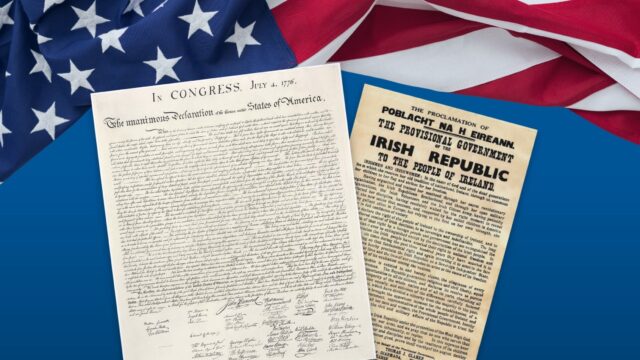
Students will compare international Declarations of Independence with the U.S. Declaration, noting similarities and differences in content and style.
Lesson Plan
In this lesson, students will craft and propose an economic plan they believe will best support the growth of the newly independent U.S.
Activity
Jumpstart class with NMAD’s bell ringer collection, offering quick prompts for reflection, inquiry, and discussion of America’s 250-year diplomatic journey.
Activity
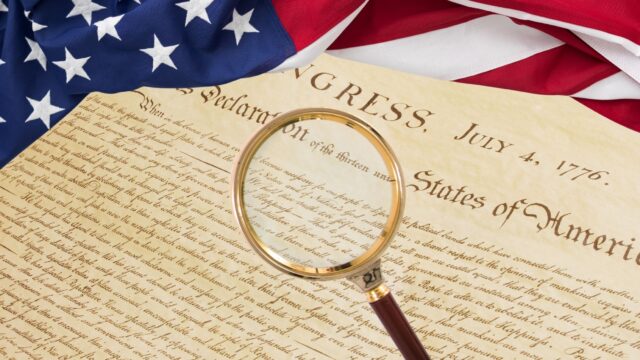
Students will analyze the Declaration of Independence through a foreign policy lens to uncover its global message, tone, and strategic intent.
Lesson Plan
Through the treaty writing activity, students will have a deeper appreciation for the complexity of diplomacy and the critical importance of communication, negotiation, and compromise in shaping the course of history.