Activity
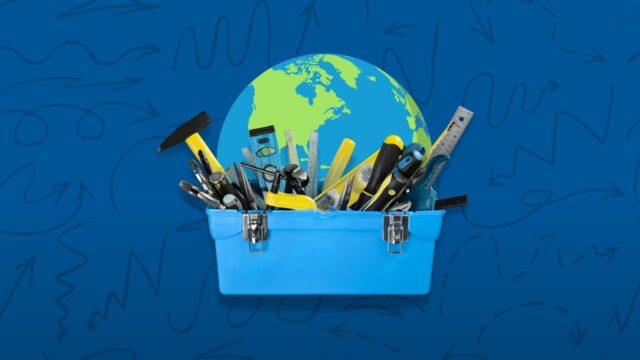
Unpacking the Tools of Diplomacy
At its core, diplomacy is about communication, compromise, and finding solutions everyone can agree on. And on a global scale, it’s what keeps countries talking…
When a global issue arises, it is up to the entire international community to work to solve it. Diplomats work tirelessly to find solutions that benefit everyone. But how? What are the tools and ideas diplomats use to solve issues?
In this activity, students will choose critical global issues, such as conflict minerals or counterfeit trade, and develop a brief proposing a diplomatic strategy to address it. Students will learn to think like foreign policy professionals by assessing what’s been tried, identifying gaps, and recommending actionable next steps that leverage diplomatic tools effectively.
Activity
At its core, diplomacy is about communication, compromise, and finding solutions everyone can agree on. And on a global scale, it’s what keeps countries talking…
Video
Foreign policy is how a country uses different strategies to guide its relationships with other countries and international organizations. This means that foreign policy is…
Also available in Español
Lesson Plan
In this lesson, students will craft and propose an economic plan they believe will best support the growth of the newly independent U.S.