Activity
Quick Consuls: Collection of Classroom Bell Ringers
Jumpstart class with NMAD’s bell ringer collection, offering quick prompts for reflection, inquiry, and discussion of America’s 250-year diplomatic journey.
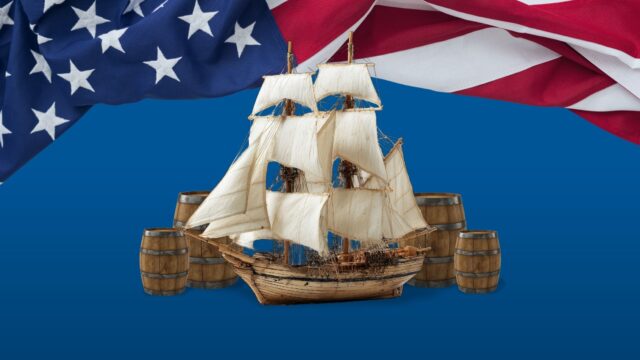
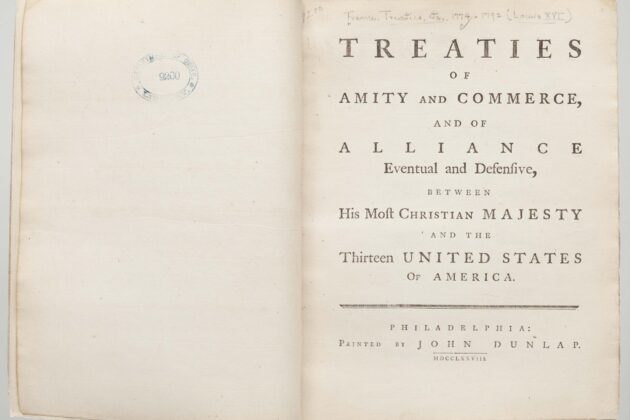
It’s 1790. The United States is still a young and unproven nation. Foreign investors from Europe and beyond are traveling to Washington, D.C., eager to decide whether this new country is worth trading with or too risky to bother. Your mission: convince foreign investors the U.S. is a safe, profitable, and forward-looking trading partner.
In this lesson, students will step into the role of an economic ambassador for the newly formed United States. They will begin by investigating the nation’s post-Revolutionary economy, including its trade resources, infrastructure, political stability, and opportunities for growth. Then, students will work in teams to research, design, and deliver persuasive presentations aimed at attracting foreign investors and promoting new trade partnerships for the emerging nation.
Through this activity, students will develop a deeper understanding of the economic challenges faced by the fledgling nation and the foundational diplomatic trade decisions that shaped its future.
Activity
Jumpstart class with NMAD’s bell ringer collection, offering quick prompts for reflection, inquiry, and discussion of America’s 250-year diplomatic journey.
Video
Diplomats around the world work to advance their own national interests, including improving their nation’s economies, ensuring market access, and promoting businesses. Economic diplomacy is…
Also available in Español
Activity
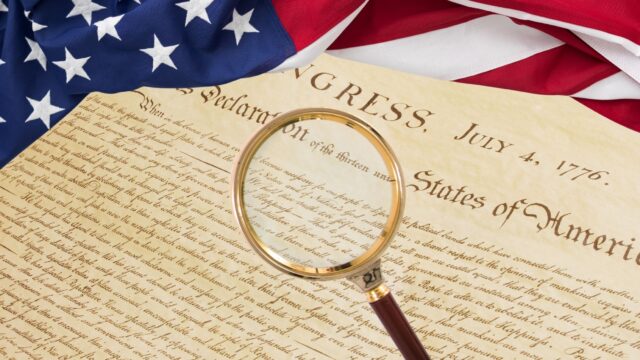
Students will analyze the Declaration of Independence through a foreign policy lens to uncover its global message, tone, and strategic intent.